A Journey Through Malabar’s Culinary Heritage
From Trade Routes to the Kitchen
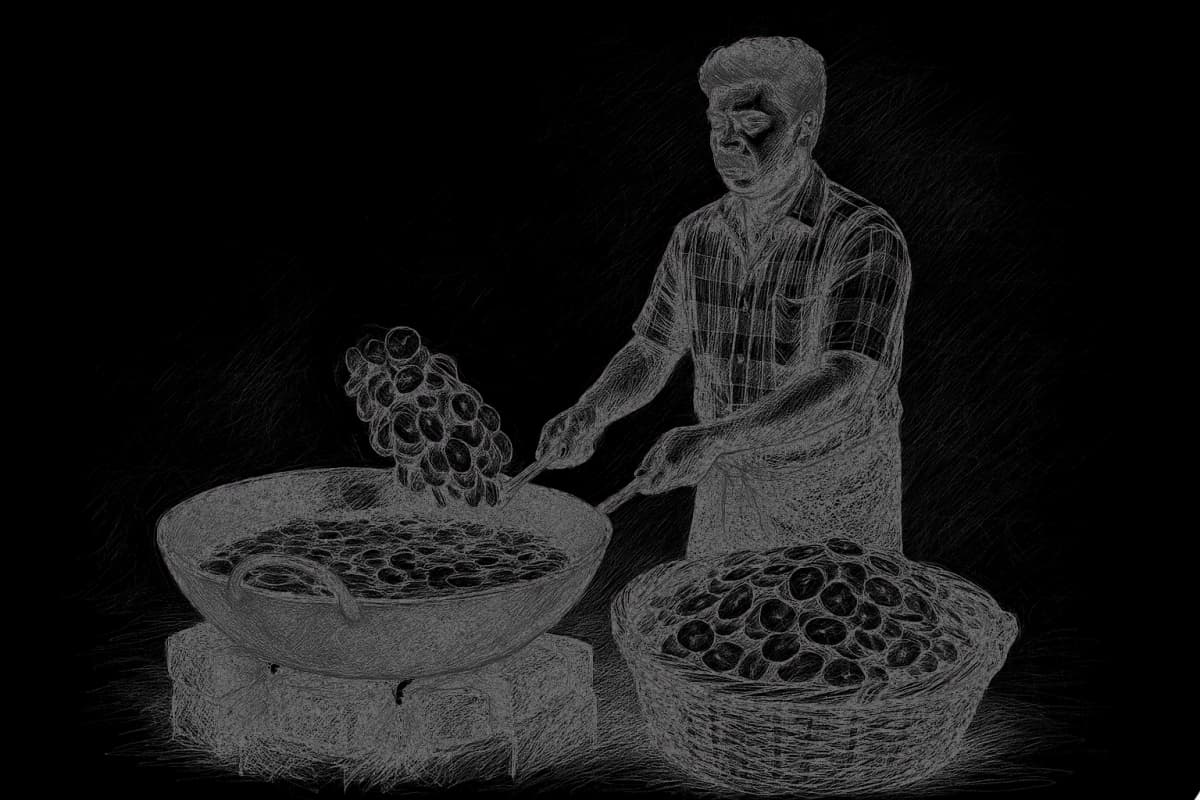
Malabar cuisine, the culinary gem of Kerala’s northern coast, is a reflection of history, culture, and global exchange. Shaped by Arab traders as early as the 7th century, this cuisine absorbed influences from Persia, Portugal, and later the British, merging new ingredients like vinegar, tomatoes, and green peas with age-old Kerala staples—rice, coconut, and spices.
The coastal towns of Kozhikode and Thalassery became culinary hubs where trade routes met family kitchens. What evolved was a cuisine known for its layered flavors, fragrant spices, and hearty combinations of meat, seafood, and rice. Dishes were slow-cooked in clay pots, spiced with cardamom, cinnamon, pepper, and cloves, and finished with the distinctive touch of ghee or coconut oil
The Foundations of Timeless Flavor

Blend of Global Influences
Centuries of trade with Arabia, Persia, and Europe transformed Malabar cuisine into a unique blend of coastal Kerala flavors, global influences, and perfectly balanced spices.
Masterful Use of Spices & Coconut
The cuisine’s depth lies in its balanced use of cloves, cardamom, black pepper, cinnamon, and coconut grated, roasted, or turned into creamy milk to create warmth and texture in every dish.
Harmony of Meat and Seafood
Malabar is famous for its love of both land and sea. Delicacies like mutton stew, prawn biriyani, kallummakkaya curry, and fish with tamarind and coconut reveal abundant coastal influence.
Blend of Global Influences
Centuries of trade with Arabia, Persia, and Europe transformed Malabar cuisine into a unique blend of coastal Kerala flavors, global influences, and perfectly balanced spices.
Masterful Use of Spices & Coconut
The cuisine’s depth lies in its balanced use of cloves, cardamom, black pepper, cinnamon, and coconut grated, roasted, or turned into creamy milk to create warmth and texture in every dish.
Harmony of Meat and Seafood
Malabar is famous for its love of both land and sea. Delicacies like mutton stew, prawn biriyani, kallummakkaya curry, and fish with tamarind and coconut reveal abundant coastal influence.
The Stories Behind Iconic Dishes
Malabar Biriyani
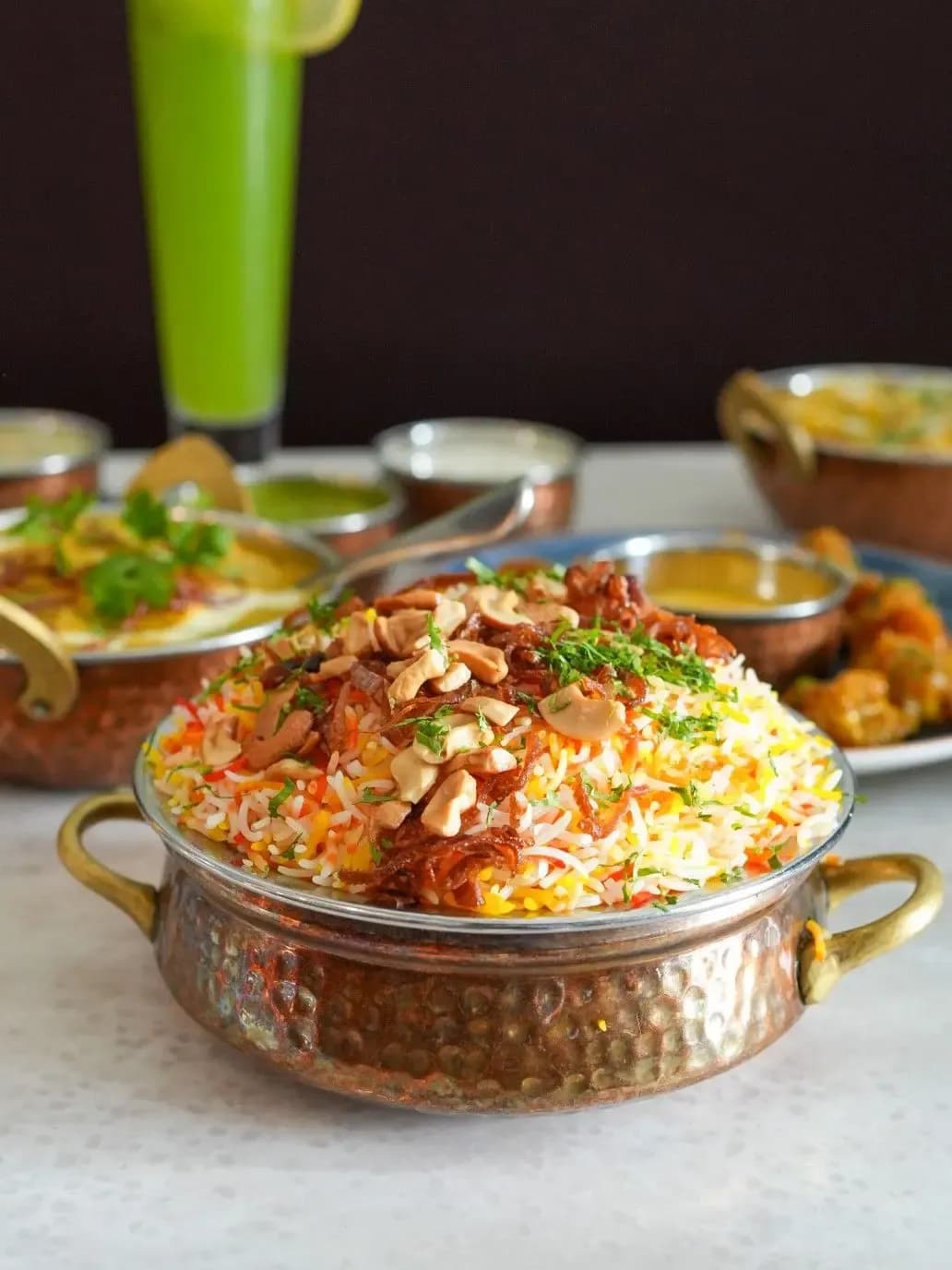
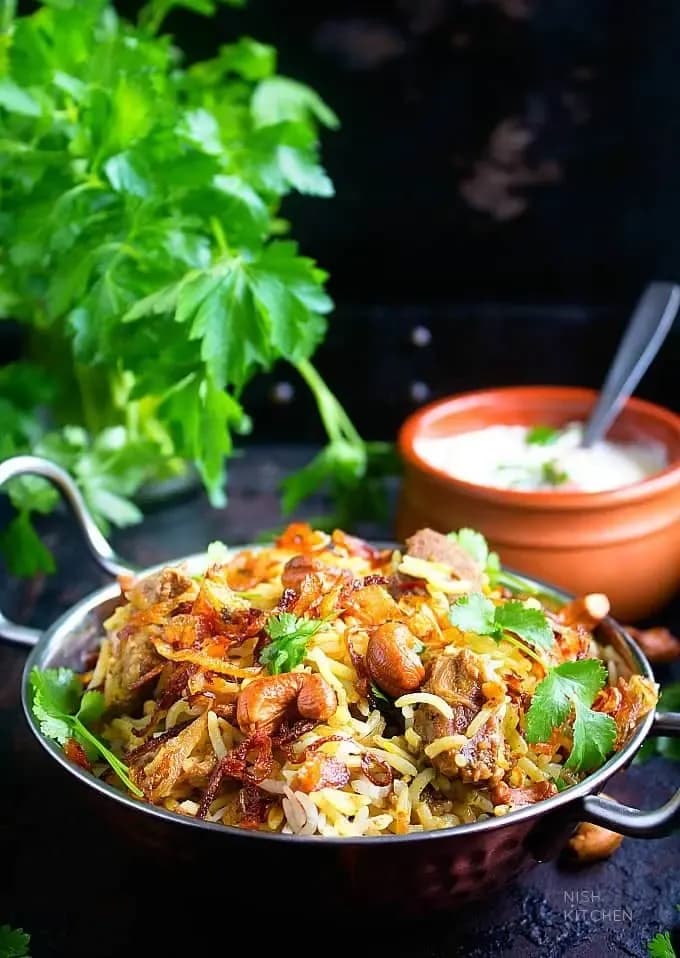
The story of Malabar Biriyani begins with Arab traders who introduced rice and meat dishes to Kerala’s shores centuries ago. While Persian pilaf inspired it, local cooks perfected their own method using aromatic jeerakasala rice, caramelized onions, and the slow “dum” technique that seals flavor within the pot.
Unlike the heavy gravies of North Indian biriyani, the Malabar version is subtle, layered, and deeply fragrant. Each spoonful reflects the region’s spice wealth and its people’s artistry in balance a true symbol of cultural fusion from Kerala’s coast to the world.
Pathiri
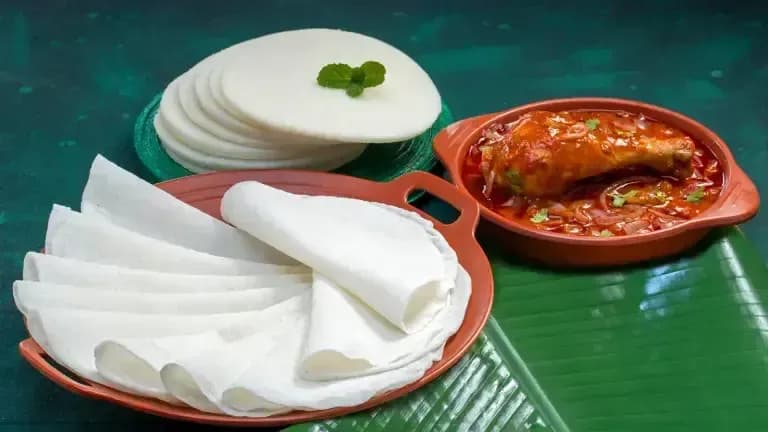
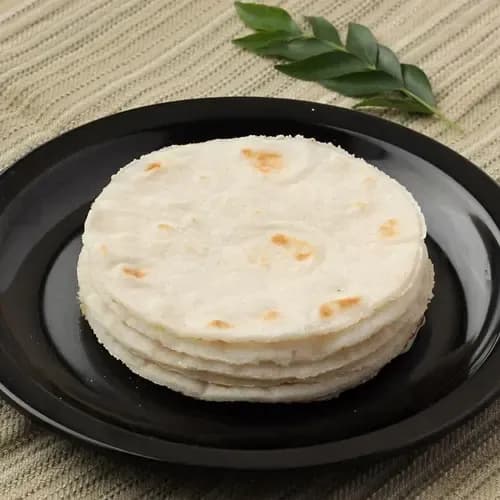
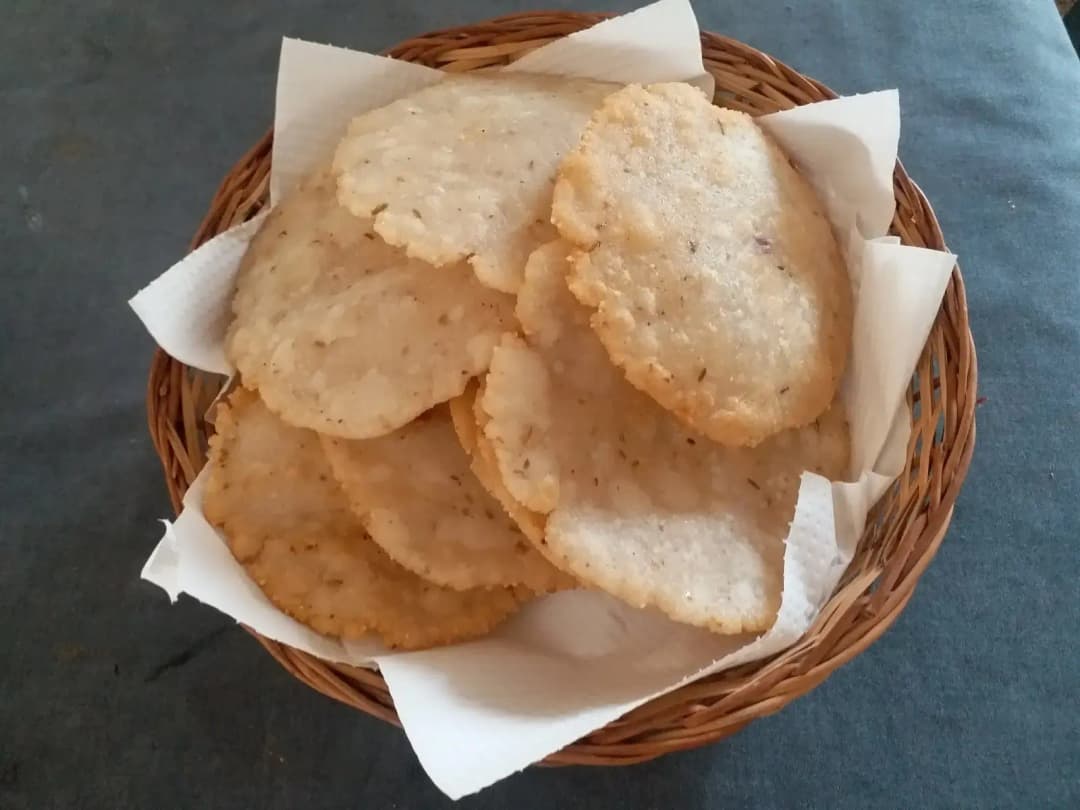
Pathiri, whose name comes from the Arabic fateerah (meaning “pastry”), was introduced by Arab traders and seamlessly integrated into local Muslim households. Made from lightly cooked rice flour dough, it’s rolled into soft, translucent rounds that pair perfectly with spicy meat curries or sweet coconut dishes.
Over time, numerous varieties emerged—meen pathiri stuffed with fish, irachi pathiri filled with minced meat, chatty pathiri baked in rich layers, and neypathiri flavored with ghee. Whether served at weddings, iftars, or family dinners, Pathiri remains an essential part of Malabar’s food rituals.
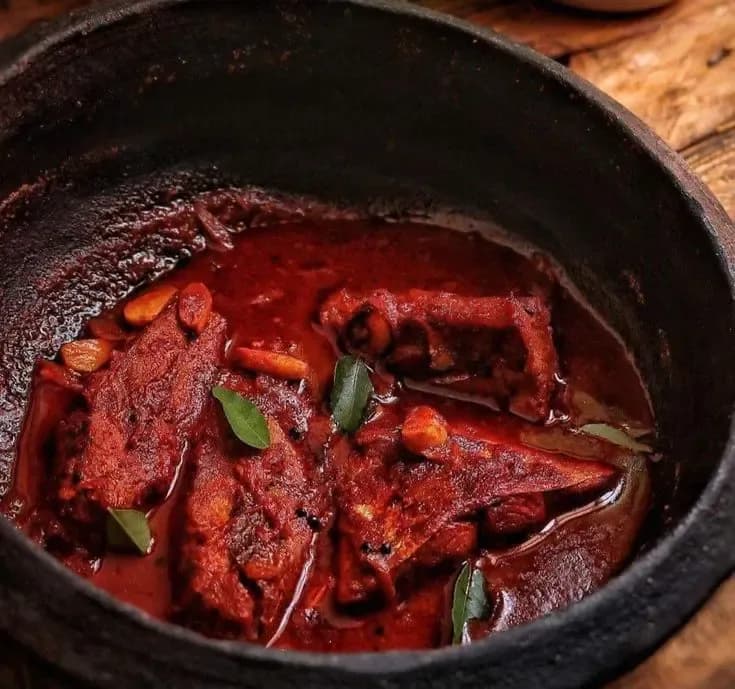
Malabar Fish Curry
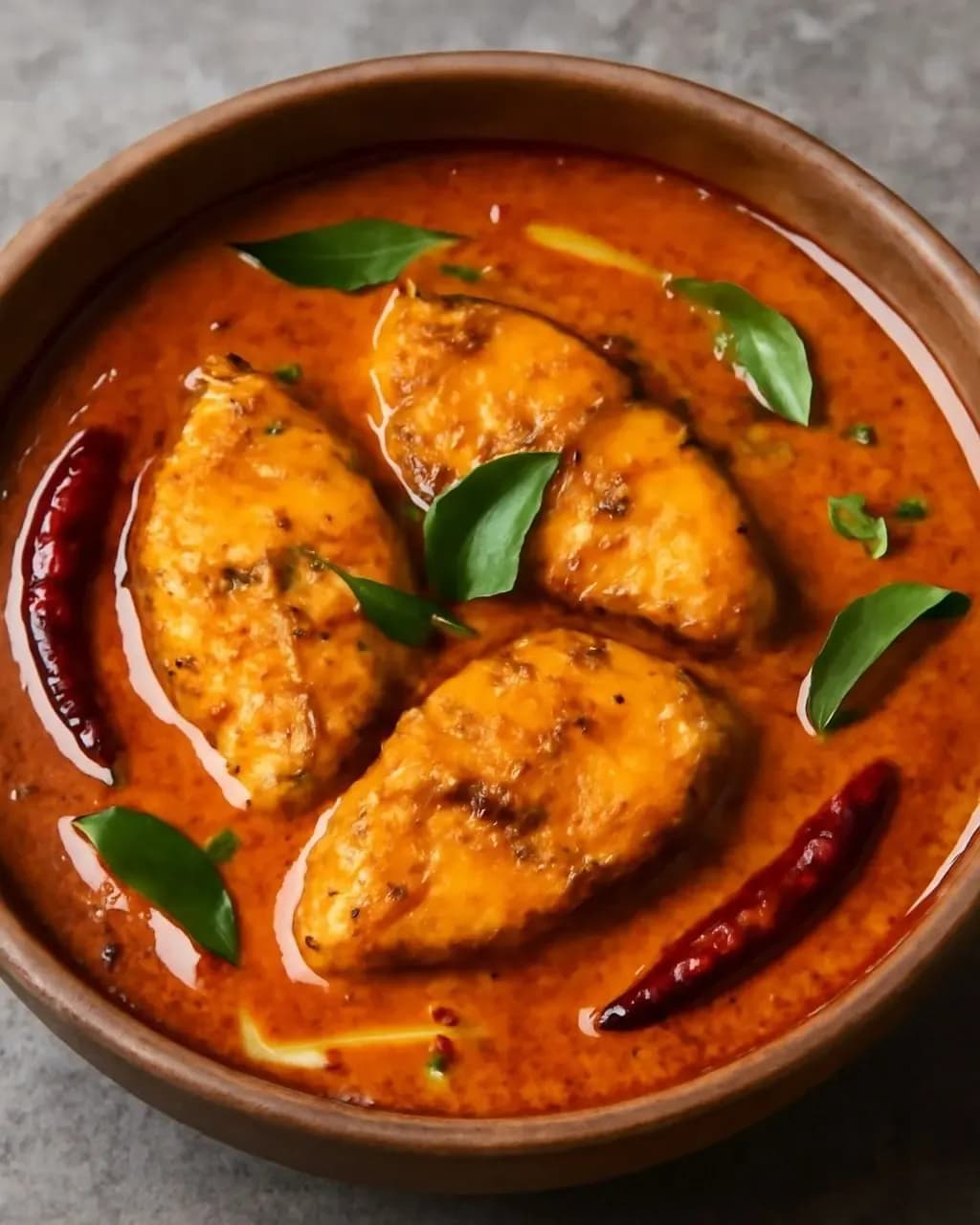
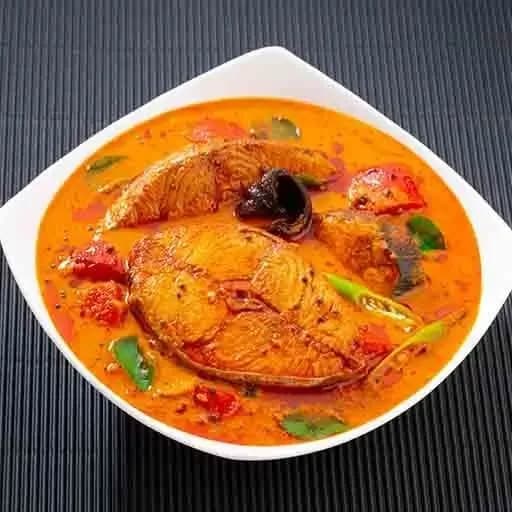
No Malabar feast is complete without fish—and the Malabar Fish Curry stands as the ultimate celebration of the sea. Prepared with fresh sardines, mackerel, or kingfish simmered in a tangy coconut-based gravy, this dish captures the true flavor of Kerala’s coast.
Its origins trace back to seafaring communities and traders who combined local ingredients—coconut milk, kodampuli (tamarind), and red chili—with their own cooking traditions. Cooked in earthen pots for depth of flavor, it’s best enjoyed with steaming rice or Pathiri, uniting simplicity with culinary excellence.